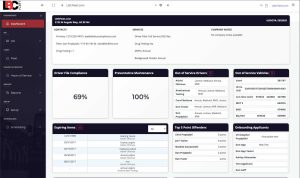
Updated October 2026. A useful audit-preparation routine starts with a simple question: if someone asks for a record, can your team find the correct version, explain who owns it, and identify any gap? A dashboard can help organize that work, but it does not by itself prove compliance or guarantee an audit result.
1. Start with the actual request
Read the notice or request before assembling a packet. Confirm the agency, company or operating entity, date range, drivers and vehicles in scope, requested records, deadline, and approved way to deliver them. Assign one person to coordinate the response. Use a secure channel for driver and other sensitive records, not a general website contact form.
2. Make a record-and-owner map
List each requested record, where the original lives, who maintains it, and when it was last checked. Depending on your operation and the request, that may include driver qualification and training records, hours-of-service materials, vehicle inspection and repair records, accident documentation, and company registration or insurance records. Not every category applies to every carrier or audit. The FMCSA Motor Carrier Safety Planner is a useful place to check federal topics; compare its guidance with the current regulations and your specific notice.
3. Test retrieval and log the gaps
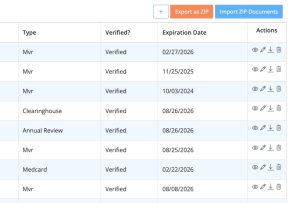
Sample real records before an audit arrives. Can an authorized person retrieve the requested date range? Are documents complete, current, and tied to the right driver or vehicle? Put missing, expired, inconsistent, or inaccessible items on a gap list with an owner and follow-up date. Preserve the original record and document the correction; do not backdate or quietly replace history.
4. Give software and people separate jobs
Software may help collect, organize, search, and export records. Ask for a demonstration using the exact report or document your team needs. Then have a qualified person review what the record actually says. Administrative help is a different service: LBC Fleet’s compliance services describe support for organizing and following up on fleet compliance work. Confirm the scope of any service before relying on it. The carrier remains responsible for its own records and decisions.
5. Keep the response narrow and reviewable
When an audit request comes in, assemble the records that were actually requested, check them against the notice, record what was sent and when, and keep a copy of the response. If the request or an apparent gap is unclear, ask the agency or an appropriate professional before making assumptions. Good preparation makes the work easier to trace; it is not a promise of a particular finding.
Want help mapping where your records live and who follows up on gaps? Ask LBC Fleet which administrative tasks are included for your operation.