Maintenance Is the Only Place You Write the Rules, Then Get Audited on Them
If a big customer walked your yard before signing a contract and asked to see your equipment, you’d probably feel good about it. Clean buses, everything running, nothing obviously wrong. That’s an easy walk. But if they followed it with, “Now show me your maintenance records,” that hits different. Now they’re not looking at what the fleet looks like today. They’re looking at how you actually run it.
Most people don’t think about maintenance as compliance. They think about it as keeping equipment moving, keeping trips covered, keeping revenue coming in. That’s the real job. But whether you think about it or not, maintenance is one of the few areas where you’re setting the standard yourself. You decide what gets written up, what gets fixed now versus later, and what’s safe enough to go out. Then someone else shows up later and decides if they agree.
There are obvious things nobody argues about. Bad brakes, bald tires, lights out. But that’s not where fleets get exposed. It’s the in-between stuff. The worn part that isn’t failed yet. The loose component that “looks fine for now.” The item a driver or mechanic has to make a call on while there’s a schedule waiting. Send it or hold it. That decision carries more weight than most people realize.
Because it doesn’t stay in the shop. If that same issue gets picked up on a roadside inspection, it turns into a violation. Now it lives in your data. Now it’s something your insurance company can see the next time they evaluate your operation. It’s the same problem, but now it has a second cost that most fleets never connect back to the original decision. If you really want to understand how those decisions stack up over time, this breakdown of fleet maintenance costs shows where most fleets are missing the bigger picture.
Safety is what auditors and inspectors are looking for. The question is whether the people inspecting your vehicles every day are looking for the same thing.
Inspectors aren’t just checking boxes. They’re making judgment calls. So your team has to be doing the same thing before the vehicle ever leaves. Not just asking, “does this pass,” but “would someone else agree this is safe?” That’s a different level of thinking, and most fleets don’t train for it. They train for completion, not judgment.
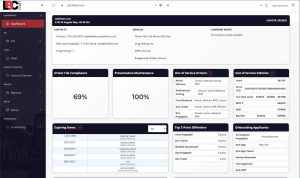
This is where your process matters. The way drivers report issues, the way defects are tracked, and the consistency of inspections all shape how your maintenance program performs under pressure. If your drivers aren’t aligned, tools like the LBC Driver App help standardize inspections so you’re not relying on guesswork from one person to the next.
Preventive maintenance works best with documented driver inspections; review DVIR requirements and defect follow-through.
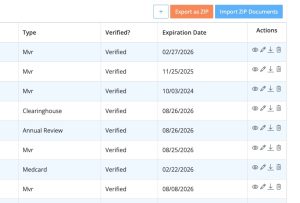
That’s why maintenance programs either hold up or fall apart when someone looks closely. On paper, everything can look fine. Inspections are done, forms are filled out, nothing obviously missing. But when you line up what was reported, what was fixed, and what’s still showing up on inspections, the gaps show up fast.
If you want to see how your program would actually hold up under scrutiny, running a mock DOT audit before the real one happens is one of the most effective ways to find those gaps early.
At the end of the day, this isn’t really about paperwork, and it’s not really about compliance. It’s about whether your operation makes consistent decisions about safety, even when it’s inconvenient. Those decisions don’t just affect whether a vehicle makes it through the day. They show up later, in inspections, in audits, and in how your business gets evaluated by people who weren’t there when the call was made.
So when someone asks to see your maintenance records, they’re not asking for paperwork. They’re asking to see how you think. And that’s a much harder thing to fake.
Download our free DOT audit checklist and resources to prepare your fleet before an auditor shows up.