
Fleet Management for Construction Companies
DOT compliance, CSA score defense, and vendor cost control for operators running mixed CMV fleets without a full-time Fleet Manager.
Fleet management for construction companies isn't a software problem — it's an operational one. Mixed driver pools across multiple CDL classes, heavy-axle wear patterns at roadside, and the worst CSA scores of any vertical. We sort the data, fix the DQ files, and run the operational layer so the next audit isn't a surprise.

DQ Files Across Multiple CDL Classes
Construction crews mix Class A, Class B, and non-CDL drivers in one fleet. Each CDL class has different qualification requirements. We handle the documentation across all of them.
Vehicle Maintenance & Driver Fitness BASICs
Construction fleets get hammered hardest in two BASICs: Vehicle Maintenance and Driver Fitness. We rebuild documentation and challenge inaccurate violations through DataQs.
Without the FT Fleet Manager Hire
A 25-truck construction firm doesn't usually have a dedicated Fleet Manager. We become that role — vendor management, maintenance discipline, fleet reporting — for less than the cost of a salary.
Look Up a CSA Violation
Construction fleets get hit on a predictable set of violations — brake adjustment, tire condition, driver medical certification, hours-of-service. Use our FMCSA Violation Look-up to see severity weight, points, and how each one drags your CSA score.
Why Fleet Management for Construction Companies Looks Different
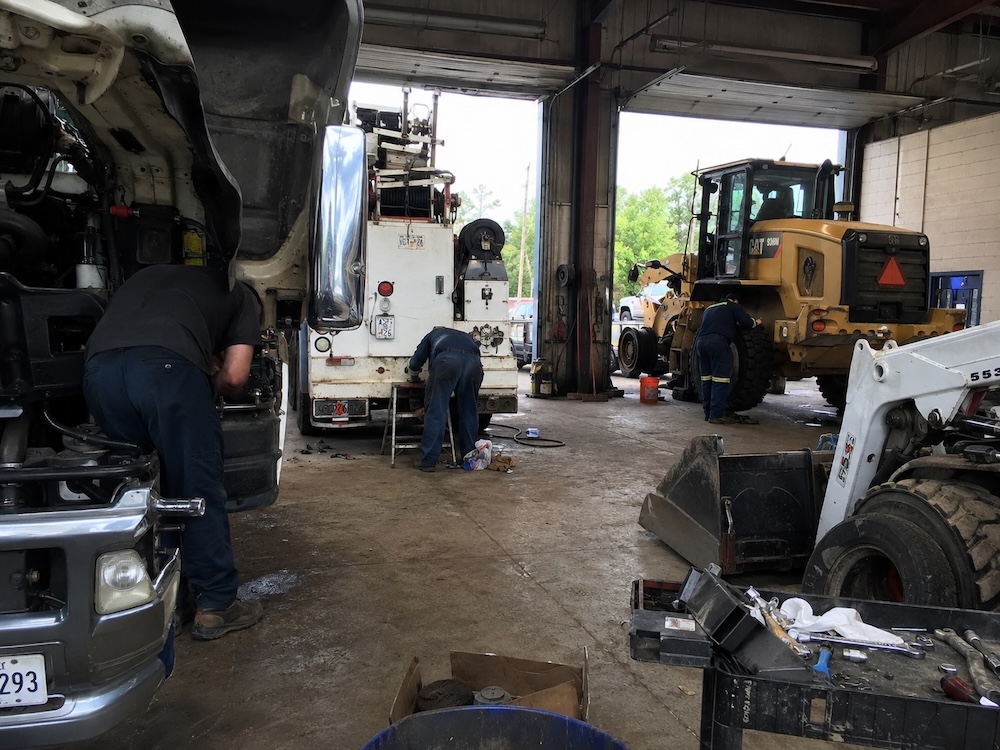
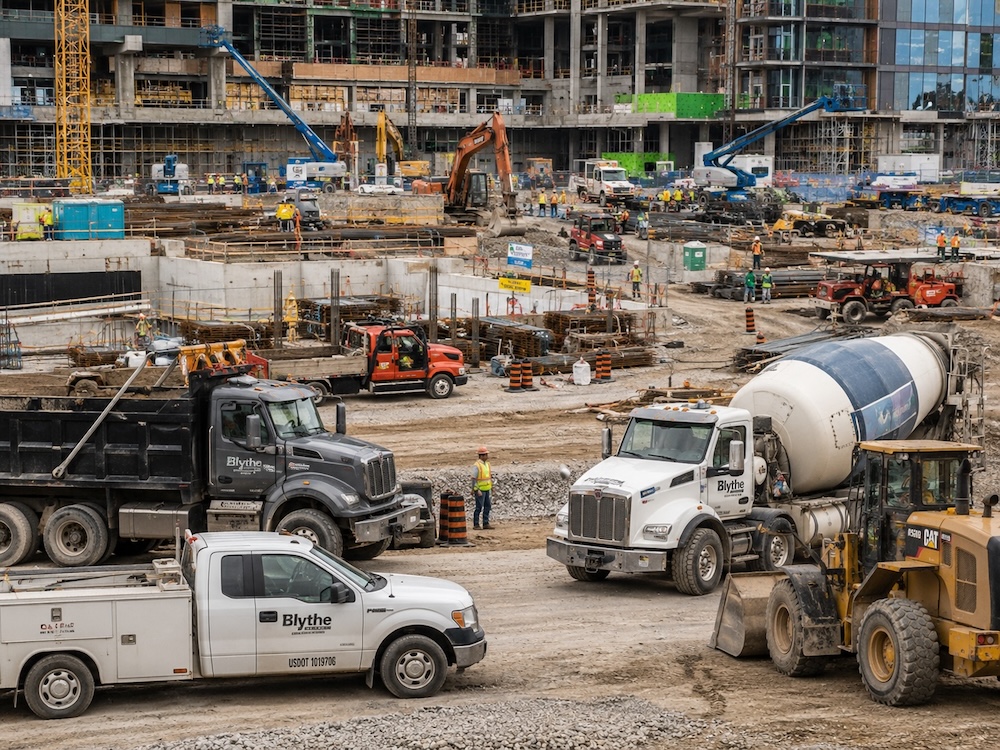
Construction fleets aren't trucking fleets, and they're not service-trade fleets either. The vehicle mix, driver pool structure, and roadside inspection profile create a specific set of compliance gaps that generic fleet management software doesn't address.
- Multi-CDL driver pools. Class A, Class B, and non-CDL drivers in the same fleet — each with different qualification requirements.
- Mixed labor categories. In-house drivers, owner-operators, and subs all rolling under your DOT number on the same job.
- Heavy-axle wear patterns. Ready-mix trucks, dump trucks, and lowboys put braking and tire violations at the top of every roadside report.
- Tight delivery windows that pressure HOS. Concrete sets. Asphalt cools. The job-site clock cuts into compliance discipline.
- Customer-facing drivers. Your drivers represent your company on every job site. CDL drug tests, MVR pulls, and DQ files have to be airtight or one bad hire blows the relationship.
Calibrated to construction, run by people who've done the audits.
Our team has been involved in 3,000+ real DOT audits since 2015 — the kind where the auditor walks into the office and asks for paperwork. Construction is one of the verticals where that experience matters most, because construction CSA scores trend high and FMCSA targets high-score carriers for compliance reviews first.
We don't just hand you a software dashboard. We run the operational layer — DQ files, mock audits, CSA monitoring, vendor discipline — with a dedicated Fleet Account Manager who knows your operation by name.
What Fleet Management for Construction Companies Actually Includes
- Driver qualification files across all CDL classes, built to FMCSA Part 391 standard. The cornerstone service is outsourced DQ file management.
- FMCSA Clearinghouse queries, return-to-duty handling, and substance abuse program coordination.
- Mock DOT audits with real-audit scoring methodology. The cornerstone service is mock DOT audit services.
- CSA score monitoring with BASIC-level reporting and DataQs challenge filing where violations are inaccurate.
- Fleet maintenance oversight — vendor management, repair estimate review, preventive maintenance scheduling.
- Vendor pricing program access including Goodyear partnership pricing on tires.
- Audit prep when the notice arrives — paperwork through full auditor-meeting representation.
Who This Is For
Three specific construction-fleet patterns we see most often.
The 25-truck construction owner with no fleet manager
Office manager handles registrations and insurance. Dispatch handles the rest. Compliance is "whoever has time when it comes up." That's exactly when a CDL renewal slips, a medical card expires, or a DataQs challenge window closes.
The mid-size construction firm that just got a DOT notice
Audit prep is now urgent. Mixed driver pool means DQ files are inconsistent across CDL classes. Need someone who's actually walked into auditor meetings before. If a notice is in hand, start here →
The construction firm whose CSA scores are climbing
Vehicle Maintenance BASIC trending bad. Roadside inspections producing more violations than last year. Need both fleet management discipline AND compliance hygiene running at once — not one or the other.
Standalone Construction Compliance, or Integrated Fleet Operations?
This page covers the construction-specific framing — the CSA score patterns, the multi-CDL DQ file work, the audit prep calibrated to the gaps construction operators actually have. The underlying operational layer is the same outsourced fleet management services we run for every vertical.
Some construction operators use us only for the compliance side: DQ files, mock audits, CSA monitoring, audit prep when needed. Others bring us in to run the full fleet operational layer — vendor management, maintenance discipline, fleet reporting, day-to-day support — alongside the compliance work.
Which option fits depends on whether you have a Fleet Manager already and just need compliance handled, or whether you need both compliance and operations covered without a full-time hire.
Compliance only
- DQ file management across CDL classes
- Mock DOT audits
- CSA score monitoring & DataQs filing
- Audit prep when notice in hand
Integrated fleet operations (everything above, plus)
- Vendor and maintenance oversight
- Fleet health reporting
- Day-to-day operational support
- Goodyear pricing access
- Strategic fleet advisory
Why Construction Fleets Get Hit Hardest
Construction is consistently among the worst-scoring industries in CSA's Vehicle Maintenance and Driver Fitness BASICs. The reason isn't bad operators — it's the compounding effect of mixed driver pools, heavy axle loads, weather-driven scheduling, and the fact that compliance documentation is usually whoever-has-time work in companies under 50 trucks.
The audit risk is real. FMCSA targets high-CSA-score carriers for compliance reviews. Once you're in audit territory, the documentation has to hold up — DQ files complete to the page, drug-test records intact, MVRs current, medical certifications filed correctly across every CDL class in your fleet.
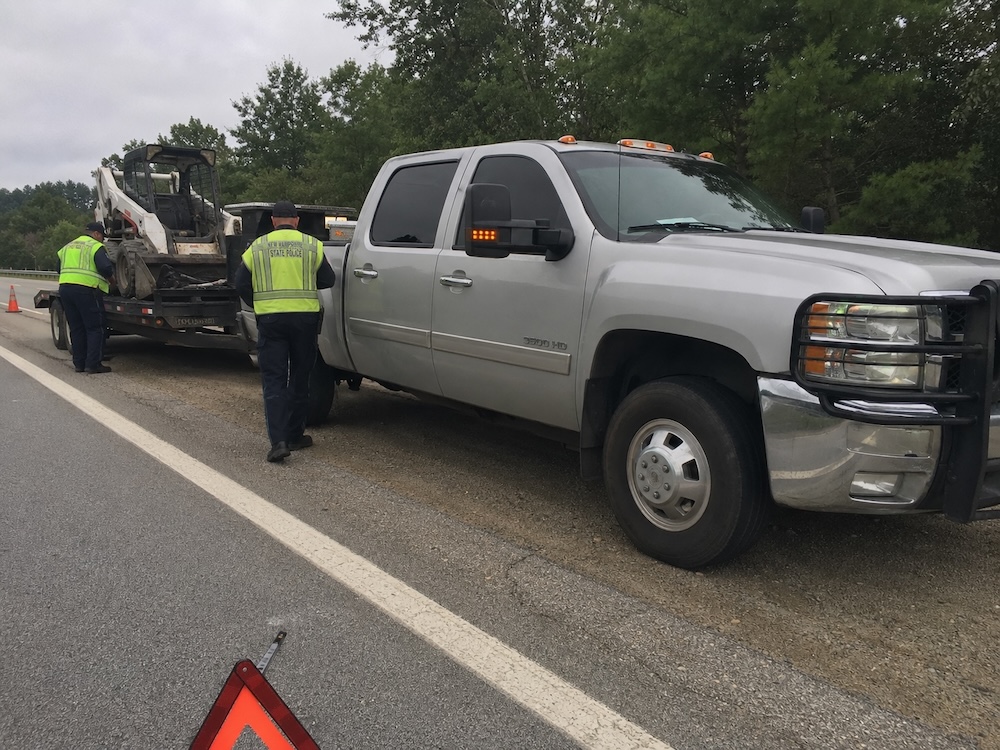
Roadside inspections compound the problem. Construction trucks get inspected more often than service-trade vehicles because they're heavier, more visible, and on the road during peak inspection hours. Each inspection produces a record. Each record either improves your scores or hurts them.
- Expired or missing medical certifications
- Brake violations driving Vehicle Maintenance BASIC
- Missing road test certifications across CDL classes
- HOS violations from tight delivery windows
- Unfiled DataQs challenges for inaccurate violations
Our Process
Three phases, run by your dedicated Fleet Account Manager.
Fleet & file audit
- Inventory every truck and trailer
- Classify by GVWR and CDL class
- Pull current DQ files for review
- Map current CSA scores by BASIC
- Identify the highest-risk gaps
System cleanup
- Rebuild DQ files to Part 391 standard
- Address driver qualification gaps
- File DataQs challenges where applicable
- Fix maintenance & DVIR documentation
- Establish baseline operational KPIs
Ongoing operational layer
- Monthly DQ file maintenance
- Quarterly CSA score reviews
- Annual mock DOT audit
- Vendor and maintenance discipline
- Direct line to your Fleet Account Manager
A 30-minute call is usually enough to figure out which mix of services you actually need.
FAQs about Fleet Management for Construction Companies
Why are construction CSA scores worse than other industries?
Three reasons stack up. First, vehicle mass and axle load — construction trucks generate more brake wear and tire violations at roadside. Second, mixed driver pools — when you've got Class A drivers, Class B drivers, and owner-operators all rolling under your DOT number, documentation gaps compound. Third, inspection frequency — construction trucks get pulled into roadside inspections more often than service-trade vehicles because they're heavier and more visible during peak inspection hours. Each of those becomes a CSA score input.
Do I need DOT compliance if my construction trucks are under 26,001 lbs?
Yes, in most cases. Federal DOT regulations apply to commercial vehicles over 10,001 lbs GVWR — not 26,001. The 26,001 threshold is for the CDL Class A/B distinction, not for whether DOT regulations apply at all. Most construction service trucks, dump trucks, and equipment haulers cross 10,001 lbs easily. If your fleet operates intrastate, state-level rules also apply, which often mirror federal requirements.
What if I run a mix of in-house drivers and owner-operators?
Mixed driver pools are common in construction and they're one of the highest-risk patterns we see. Owner-operators rolling under your DOT number need DQ files maintained the same as in-house drivers. Subcontractors with their own authority need contracted documentation showing the relationship. Getting this wrong is a top finding in DOT audits of construction companies. We handle the documentation across the full mix.
Can you handle DQ files across multiple CDL classes?
Yes. Construction fleets routinely run Class A drivers (combination vehicles), Class B drivers (straight trucks like ready-mix and dump), and non-CDL drivers (lighter service trucks). Each class has slightly different qualification requirements — particularly around medical certification, road test certification, and the Clearinghouse query schedule. Our DQ file work is structured around those distinctions, not generic.
What does this cost compared to hiring a Fleet Manager?
An in-house Fleet Manager in most US construction markets runs $75,000 to $120,000 in salary plus benefits, plus the time to recruit and onboard. Our service is a fraction of that for the integrated fleet operations tier, and significantly less for the compliance-only tier. Pricing tracks fleet size and service mix — book the intro call for a real number against your specific fleet.
What if I'm getting a DOT audit next month?
Go straight to DOT audit preparation services. That page is built for the reactive scenario — notice in hand, deadline approaching. We handle paperwork through full auditor-meeting representation, and our team has been involved in 3,000+ real audits since 2015. The construction-specific framing on this page sits underneath that core audit prep work.
Still scrolling? Let's talk through your specific fleet.
Construction-specific compliance gaps don't surface from a contact form. A 30-minute call is usually enough to figure out which mix of services applies and what it'd cost.
Book a 30-Min Call