
Fleet Management for HVAC Companies
DOT compliance, dash cameras, and license tracking software for HVAC operators whose service trucks have quietly crossed federal weight thresholds after upfit.
Fleet management for HVAC companies usually starts with a problem the owner didn't know they had. Service trucks creep over 10,001 lbs GVWR after upfit — bin in back, ladder rack, refrigerant tanks, parts inventory, tools — and you're operating a CMV under federal regulations without the documentation to back it up. DQ files, drug testing program, hours of service tracking, vehicle inspection records. All retroactive compliance debt the first time a roadside inspector points it out.
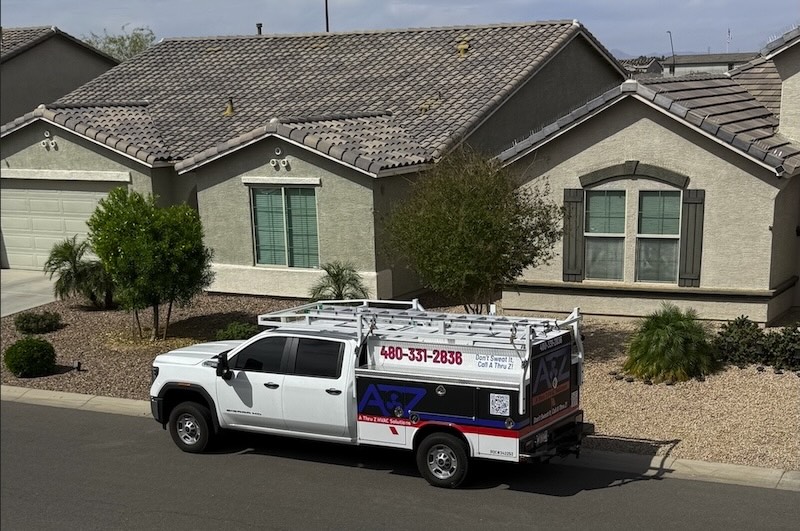
Service Trucks Crossing Federal Thresholds
Most HVAC owners don't realize their upfitted service truck is over 10,001 lbs GVWR until an inspector points it out. By then you're a CMV operator with no DQ files, no drug program, and no HOS records on the books.
Raven Dash Cameras at Zero Markup
Technicians aren't pro drivers. Distracted-driving incidents from phones, routing, and customer calls are real. We sell Raven cameras at Raven's advertised prices — zero markup — and run the coaching workflow underneath.
One File, Every License Type
LBC's DOT Compliance Software tracks every credential — CDL, EPA 608, NATE, state contractor, gas piping, electrical. Background checks and MVRs run in parallel. One file, one platform.
DOT Compliance Software
The HVAC engagement runs on LBC's own DOT Compliance Software — DQ files, ELD, DVIR, maintenance documentation, and license tracking across every certification type, in one platform.
Why Fleet Management for HVAC Companies Looks Different
HVAC operations don't fit a standard fleet management template. The workforce isn't pro drivers, the trucks creep into CMV territory after upfit, and the licenses techs hold span four or five different regulatory bodies. Generic fleet software covers maybe one of those problems.
- Service truck upfit creep. Sprinter vans and F-150-class trucks routinely cross 10,001 lbs GVWR after bins, racks, refrigerant tanks, and tools are loaded. Compliance status flips overnight.
- New-unit install trailers compound the problem. HVAC trucks regularly tow trailers loaded with new condensers, air handlers, or full system replacements. A pickup plus a loaded equipment trailer crosses 26,001 lbs combined GVWR easily — CDL requirements now stack on top of standard DOT compliance.
- Technicians, not pro drivers. Service techs are responding to dispatch, on the phone with customers, routing between jobs. Distracted-driving exposure is materially higher than a delivery fleet.
- Multi-license workforce. CDL (if any), EPA Section 608 for refrigerants, NATE, state contractor license, gas piping endorsements, electrical credentials. Most HVAC owners track these in spreadsheets that go stale.
- Customer-facing in residential settings. Background screening isn't optional for techs entering customers' homes — it's insurance, trust, and legal exposure all at once.
- Multi-state operations are common. HVAC companies expand into adjacent states regularly. State-specific regulations stack on top of federal DOT rules.
- Seasonal labor swings. Summer cooling demand pulls in additional techs. Onboarding new drivers fast — background, MVR, license verification — is a real ops bottleneck.
Built around how HVAC operations actually run.
We've spent enough time around HVAC fleets to know where compliance falls through — the upfit threshold creep, the new-unit install trailer hauls, the technician driver behavior issues, the licenses scattered across NATE and EPA 608 and state contractor records that never make it into one system. LBC's DOT Compliance Software was built to handle this exact pattern, and the Fleet Account Manager works underneath it to keep the compliance file current.
Hardware passes through at Raven's advertised prices. Zero markup. The screening side — background checks and MVR monitoring — runs in parallel. Everything lands in the same compliance file, surfaced through one dashboard.
What Fleet Management for HVAC Companies Actually Includes
- LBC's DOT Compliance Software platform — DQ files, ELD, DVIR, and maintenance documentation in one platform. Full breakdown under DOT compliance automation software.
- License tracking across every certification type — CDL, EPA Section 608, NATE, state contractor, gas piping, electrical. Centralized with expiration alerts and renewal workflows.
- Driver qualification files for any service techs operating CMV-class trucks. Cornerstone service: outsourced DQ file management.
- Background checks for customer-facing technicians — pre-hire and ongoing. Tied directly to the compliance file. Cornerstone service: background checks.
- MVR monitoring on every driver, not just CDL — feeds directly into insurance carrier renewal pricing. Cornerstone service: MVRs and driving records.
- Raven dash camera program — at Raven's advertised prices (zero LBC markup), installation coordination, driver onboarding, footage retrieval workflow.
- Driver coaching framework using dash cam footage to address risky behaviors before they become claims.
- Mock DOT audits for HVAC operators who've crossed thresholds and want to know where they stand. Cornerstone: mock DOT audit services.
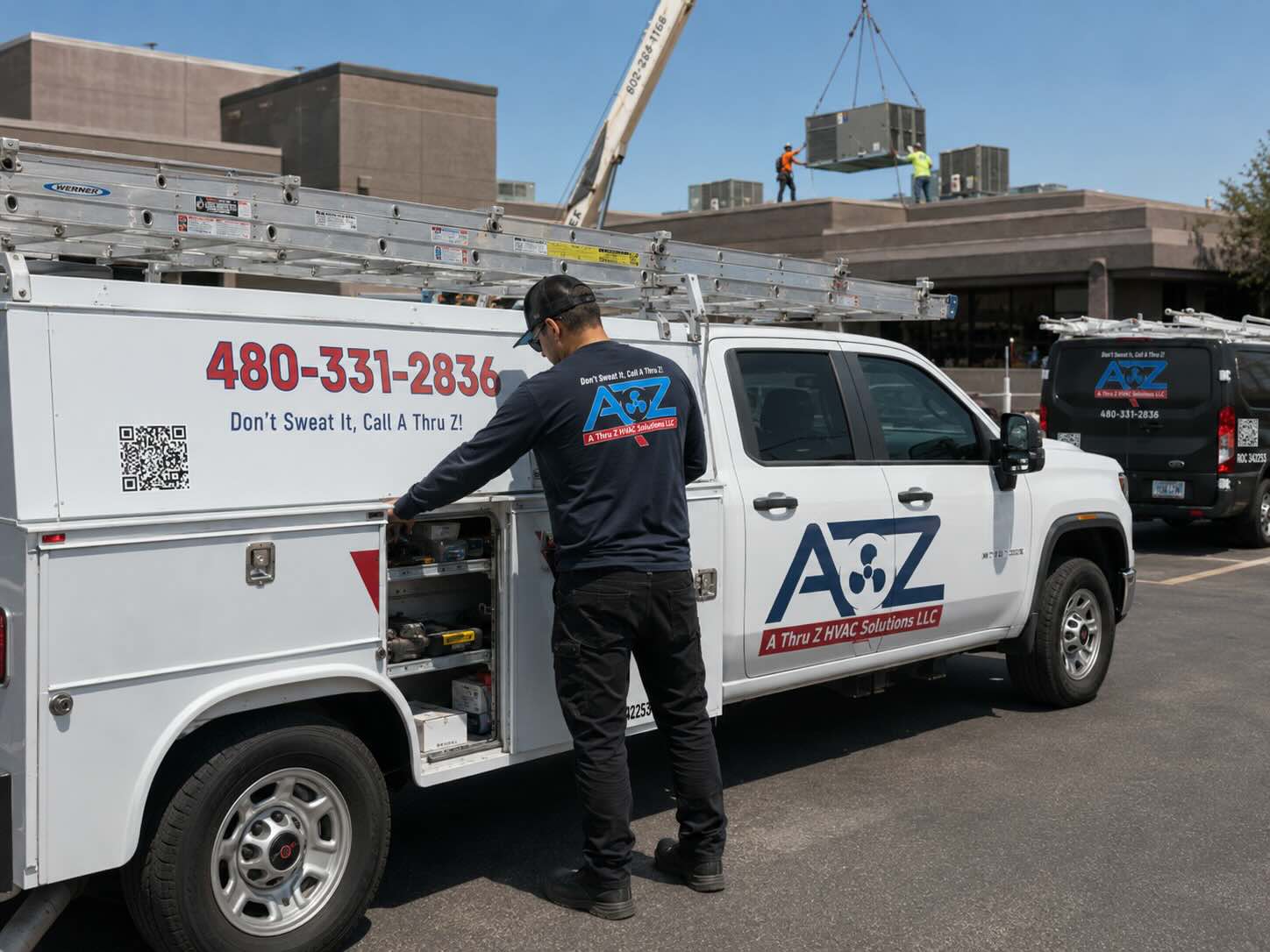
Who This Is For
Three specific HVAC-fleet patterns we see most often.
The HVAC company that just got a roadside inspection
Service tech pulled over for a brake light, then the officer notices the truck is over 10,001 lbs GVWR after upfit. FMCSA wants DQ files, drug testing records, and HOS logs. None of those exist yet. If a notice is in hand, start here →
The HVAC operator whose insurance carrier flagged technician driving risk
Carrier wants dash cams or premiums go up at renewal. Distracted-driving incidents are real — techs on phones, routing, customer calls. Most HVAC companies don't have a program to roll out, and rolling one in-house takes longer than the renewal window.
The HVAC owner running fleet ops off spreadsheets and gut
20 service trucks, no Fleet Manager, registration tracking in one spreadsheet, maintenance in another, DQ files (when they exist) in a filing cabinet, EPA 608 certs on whichever tech's phone took the photo. The software to fix this exists — it just hasn't been deployed.
Three Tiers, Pick Where You Are
HVAC engagements usually start with software and expand as the owner sees the compliance gap they didn't know they had. The page covers the HVAC-specific framing, but the underlying operational layer is the same outsourced fleet management services we run for every vertical.
Tier 1 — Software only. LBC's DOT Compliance Software, self-managed by your team. License tracking, DQ files, ELD, DVIR, maintenance documentation. You drive it, we support it.
Tier 2 — Software + service. Tier 1 plus we run the compliance work for you — DQ file building and maintenance, background check coordination, MVR pulls, Raven dash cam program deployment, mock DOT audits when needed.
Tier 3 — Full integrated fleet operations. Tier 2 plus vendor management, maintenance discipline, fleet health reporting, and a dedicated Fleet Account Manager owning the operational layer day to day.
Tier 1 — Software only
- DOT Compliance Software platform
- License tracking (all certification types)
- Self-managed by your team
- LBC support and training
Tier 2 — adds service
- DQ file building and maintenance
- Background checks coordinated
- MVR monitoring active
- Raven dash cam program
- Mock DOT audits
Tier 3 — adds fleet operations
- Vendor and maintenance oversight
- Fleet health reporting
- Day-to-day operational support
- Strategic fleet advisory
Why HVAC Fleets Need This Stack
After-threshold compliance debt. The moment your service truck crosses 10,001 lbs combined and you're operating in interstate commerce, federal DOT regulations apply retroactively. If you've been running for years without DQ files, drug testing, or HOS records, that's compliance debt the auditor will find. Building those records cleanly into one platform is faster than building them across three different spreadsheets and a filing cabinet.
Technician driver risk economics. HVAC techs cause more at-fault incidents per mile than dedicated commercial drivers because their attention is fragmented — phones, routes, customer calls, parts inventories. Dash cam footage shifts the claims dynamic both ways: defending your tech when the other party's at fault, and giving you tactical advantage when your tech is at fault. Carriers reward documented coaching workflows at renewal.
Workforce documentation hygiene. An HVAC owner managing 20 techs is tracking EPA 608 certifications, NATE certs, state contractor licenses, possibly gas piping or electrical credentials, plus DQ files for the CMV-class drivers, plus background checks for techs entering customer homes, plus MVRs for insurance. Centralizing into one platform isn't a feature pitch — it's the difference between knowing your compliance status and finding out from a regulator.
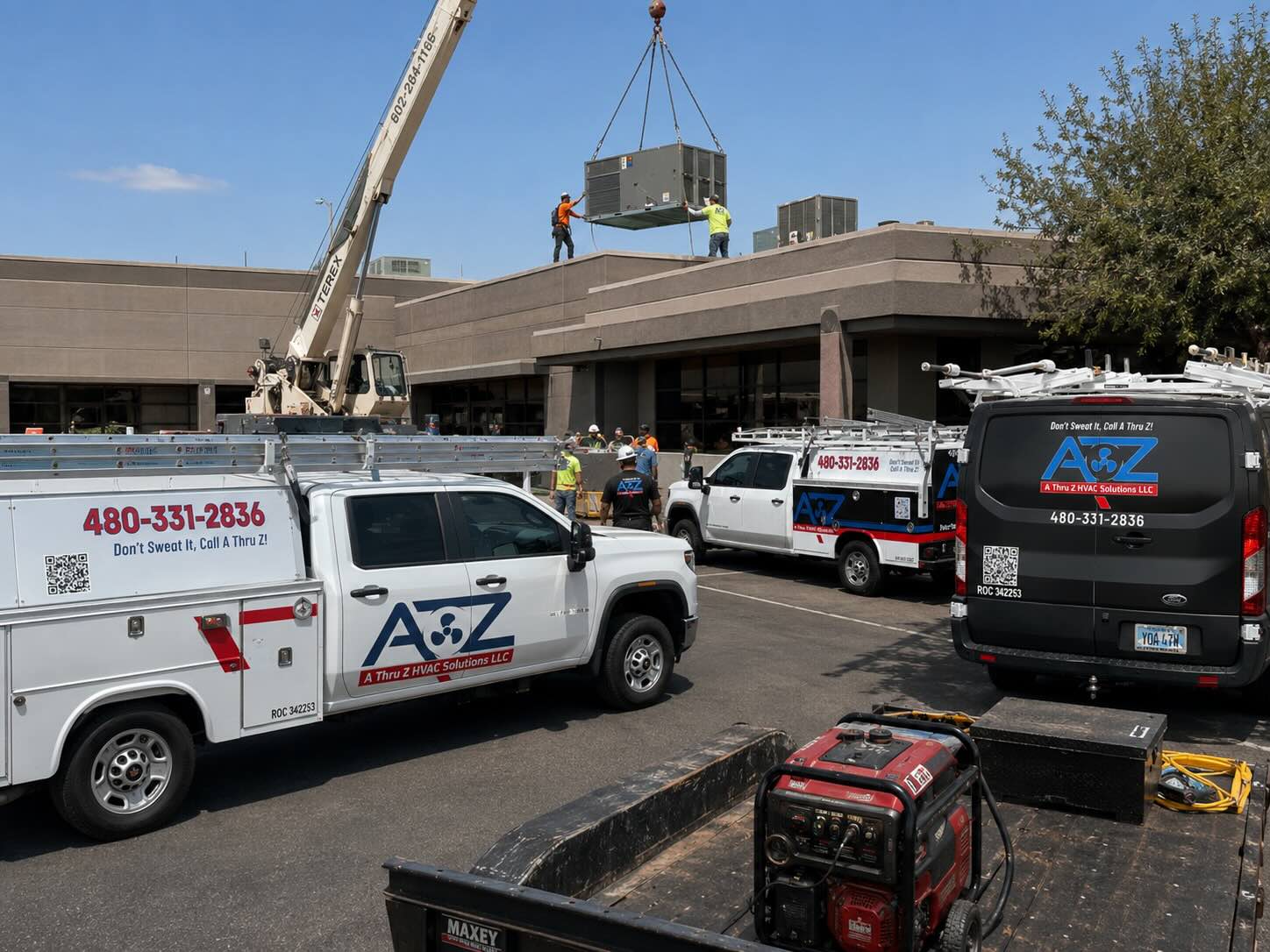
- Service trucks unknowingly operating CMV-class
- Expired EPA 608 or NATE certifications nobody tracked
- Missing DQ files for techs driving heavier trucks
- Background checks done once at hire, never refreshed
- MVR records pulled annually instead of continuously
Our Process
Three phases, run by your dedicated Fleet Account Manager.
Fleet & license audit
- Inventory every truck and weigh GVWR with upfit
- Flag any trucks at or over 10,001 lbs
- Inventory all tech licenses and certifications
- Pull current MVRs and background records
- Identify the highest-risk compliance gaps
Software + program deployment
- DOT Compliance Software set up and populated
- License tracking workflows configured
- DQ files built for CMV-class drivers
- Raven dash cam rollout coordinated
- Background check and MVR program activated
Ongoing compliance & coaching
- Monthly compliance file review
- License expiration alerts and renewals
- Quarterly dash cam coaching reviews
- Annual mock DOT audit
- Direct line to your Fleet Account Manager
A 30-minute call is usually enough to figure out which tier fits your fleet.
FAQs about Fleet Management for HVAC Companies
Do HVAC service trucks really cross DOT thresholds that often?
Yes, much more often than HVAC owners realize. A Sprinter van or F-250-class service truck has a base GVWR around 9,000–11,000 lbs. Add an upfitted bin, a ladder rack, refrigerant recovery tanks, parts inventory, and a full set of tools, and the loaded weight crosses 10,001 lbs easily. Federal DOT regulations apply once you cross that threshold in interstate commerce. State-level rules often apply intrastate as well. Most HVAC owners discover this when a roadside inspector points it out.
What happens when my HVAC truck crosses 10,001 lbs after upfit?
You're operating a CMV under federal regulations. That means DQ files for every driver of that truck, FMCSA Clearinghouse queries before hire if those drivers have CDLs, drug and alcohol testing program enrollment, hours of service tracking, vehicle inspection records, and DOT physicals on file. If you've been operating without those, you've got compliance debt that needs to be cleaned up retroactively before the next roadside inspection or audit forces the issue.
What about when my HVAC truck pulls a trailer with new equipment?
Pulling a trailer with new condenser units, air handlers, or full system replacements changes the calculation. The threshold that matters is the combined gross vehicle weight rating — truck plus trailer. A 7,000-lb pickup pulling an 8,000-lb trailer loaded with new equipment puts you at 15,000+ lbs combined. Adding heavier loads or a larger trailer easily crosses 26,001 lbs combined — where CDL requirements potentially apply on top of standard DOT regulations. Most HVAC fleets first encounter the combined-threshold rules during new-unit install runs, not regular service calls.
How do dash cameras reduce insurance premiums for HVAC technicians?
Two ways. First, claims defense — when a tech gets accused of being at fault, footage often disproves the claim or significantly reduces payout exposure. Second, driver behavior — knowing the camera is recording shifts technician driving toward safer patterns over time, which lowers actual incident rates. Carriers offer premium discounts for documented dash cam programs, but the bigger savings come from fewer claims and lower payouts. HVAC fleets see meaningful ROI because technician driver risk profiles are higher than dedicated commercial drivers.
What does your DOT Compliance Software cost vs. hiring a compliance person?
An in-house compliance manager in most US markets runs $55,000 to $85,000 in salary plus benefits, plus the time to recruit and onboard, plus the spreadsheets and document systems they'd have to build from scratch. The software comes with workflows already built — license tracking, DQ files, ELD, DVIR, maintenance documentation. Tier 1 pricing (software only) runs a fraction of the salary cost. Tier 2 adds the service layer so you don't manage the platform yourself. Book the intro call for a real number against your specific fleet.
Can your software track licenses beyond DOT — like EPA Section 608 or state contractor licenses?
Yes. The platform tracks any credential type with an expiration date — CDL, EPA Section 608, NATE, state contractor licenses, gas piping endorsements, electrical credentials, and any other certifications your techs hold. Each license gets an expiration alert and renewal workflow tied to the tech's compliance file. This is one of the strongest HVAC-specific value props because most HVAC operators track these across multiple spreadsheets and lose visibility at renewal time.
What if my HVAC business operates across multiple states?
Multi-state HVAC operations get more complex, not less. Federal DOT rules apply uniformly across states, but each state layers on its own requirements for contractor licensing, EPA enforcement, drug testing programs, and intrastate vehicle compliance. Our software handles the multi-state license tracking, and our Fleet Account Manager coordinates with state agencies when needed. The complexity is a reason to centralize, not a reason to wait.
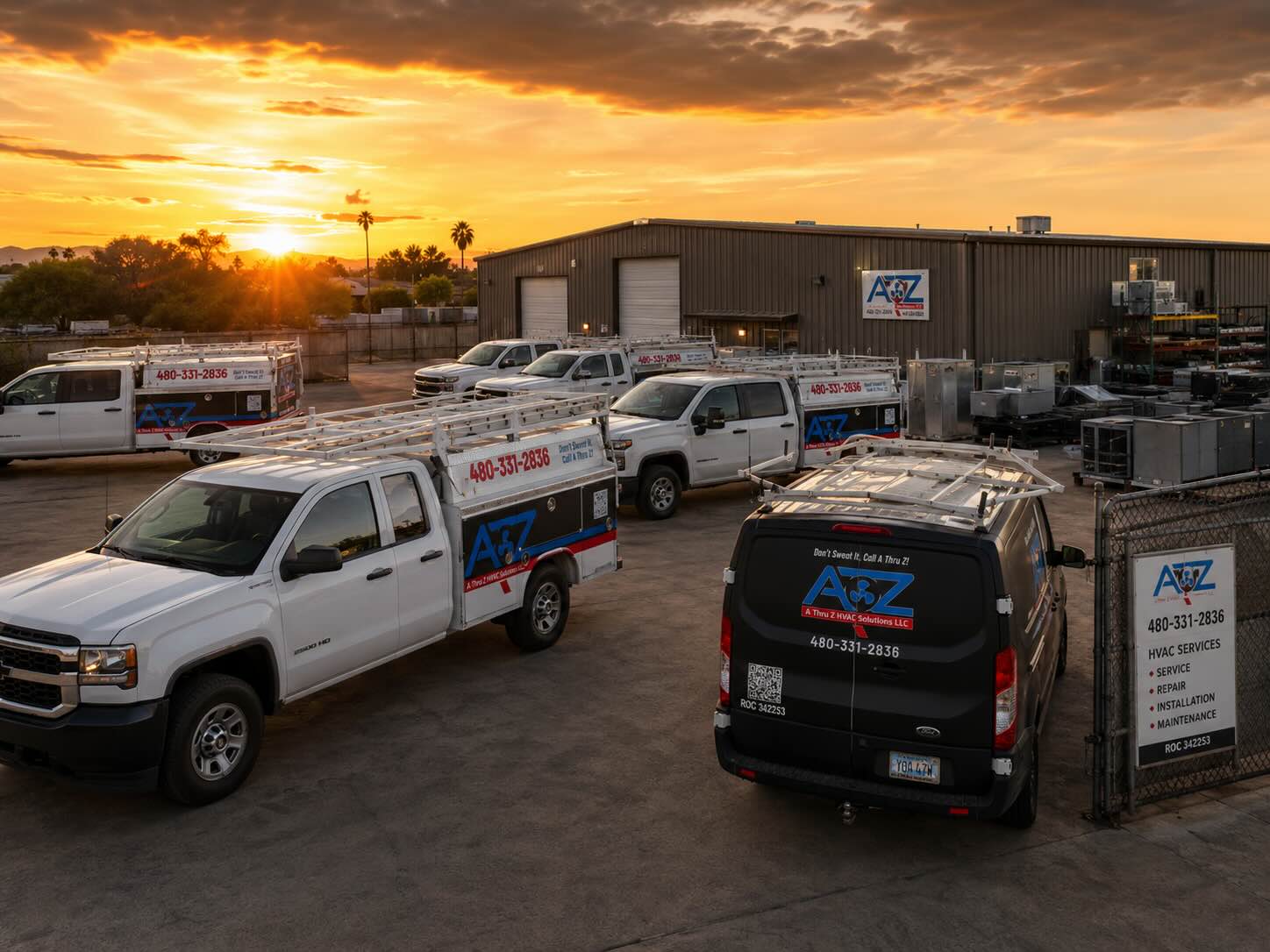
Still scrolling? Let's map your tier.
Most HVAC engagements start with software and expand from there. A 30-minute call is usually enough to figure out which tier fits and what it'd cost.
Book a 30-Min Call