A vehicle can pass the mechanical walk-around and still fail the first thirty seconds of a guest’s trip. This passenger vehicle checklist adds a separate guest-ready check alongside your safety inspection.
The door opens. The cabin is clean. Then someone asks for water, or the phone charger is missing, or the welcome items for a hotel pickup never made it into the vehicle. None of those is a brake defect. All of them are the kind of small miss a guest remembers.
That is why I like two clear questions before a passenger trip: Is the vehicle safe and ready to operate? And is it ready for the people we are picking up? Do not let the second question replace the first. Do not bury the second one in a generic “looks good” checkbox, either.

A passenger vehicle checklist for guest readiness
Use the items that fit your service, vehicle, and client. For example:
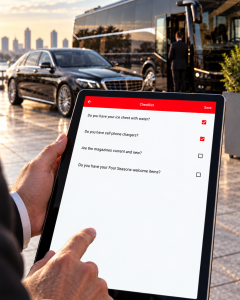
- Is the ice chest stocked with the water this trip calls for?
- Are the passenger charging cables or adapters actually in the vehicle and working?
- Are the magazines or other reading materials current and clean, if your service provides them?
- Are the agreed welcome items in place for this client or hotel pickup?
- Is the passenger area clean, with the temperature, lighting, and presentation set for the trip?
“Yes” should mean somebody looked. If an item is missing, record what is missing and who needs to replenish it. A vague checked box will not tell the next driver whether the problem was fixed.
Keep the two kinds of follow-up straight
A missing welcome item is a service problem. A condition that could affect safe operation or cause a mechanical breakdown belongs in the carrier’s safety-defect and repair process. Track a missing guest item as a service miss; send an actual safety defect through the carrier’s inspection and repair process.
For the federal DVIR rules and the distinction between reportable defects and non-safety items, read our DVIR guide. Your company’s procedures and the applicable rules still control the real dispatch decision.
The payoff is simple: the next person can see what was checked, what was missing, and what happened next. That is better for the driver, the dispatcher, and the guest. And it keeps a forgotten phone charger from getting treated like a brake problem—or a brake problem from getting lost among the bottled water.
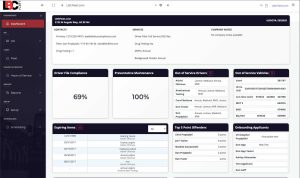
For the wider operations picture, explore LBC Fleet’s fleet management software, or visit LBC Fleet to learn about our services.