
Fleet Management for Roofing Companies
GPS asset tracking, Raven dash cameras, and DOT compliance for commercial roofing operators running 25–50 trucks plus specialty equipment trailers.
Fleet management for roofing companies isn't about software dashboards — it's about visibility. High-value specialty equipment moves between job sites daily. Trailers get stolen. Drivers cause at-fault claims that drive insurance premiums up. Pickup-plus-trailer combos quietly cross 26,001 lbs combined GVWR and pull the company onto FMCSA's radar overnight. We deploy GPS on every asset, run a Raven dash cam program at Raven's advertised prices (zero markup), and handle DOT compliance when the threshold hits.
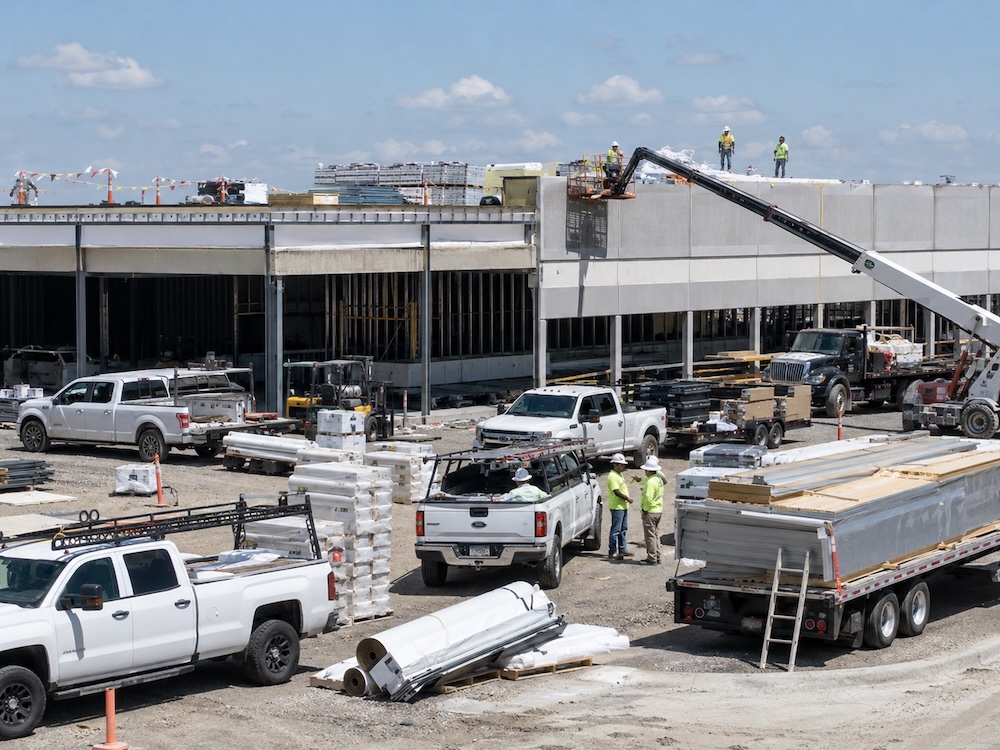
Specialty Equipment GPS Tracking
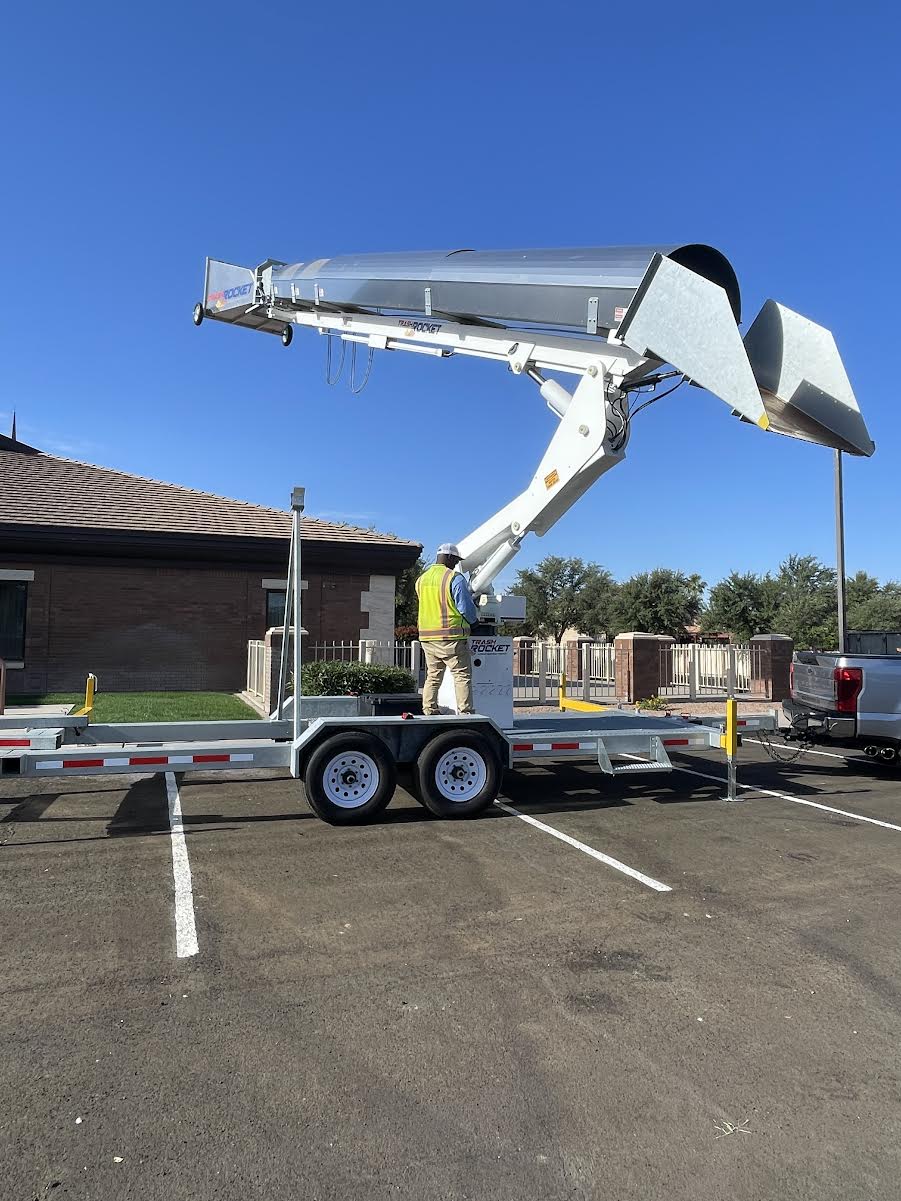
Debris chutes, materials trailers, dump trailers, lifts. Roofing fleets run high-value assets that move between job sites daily. We track every piece — not just the trucks.
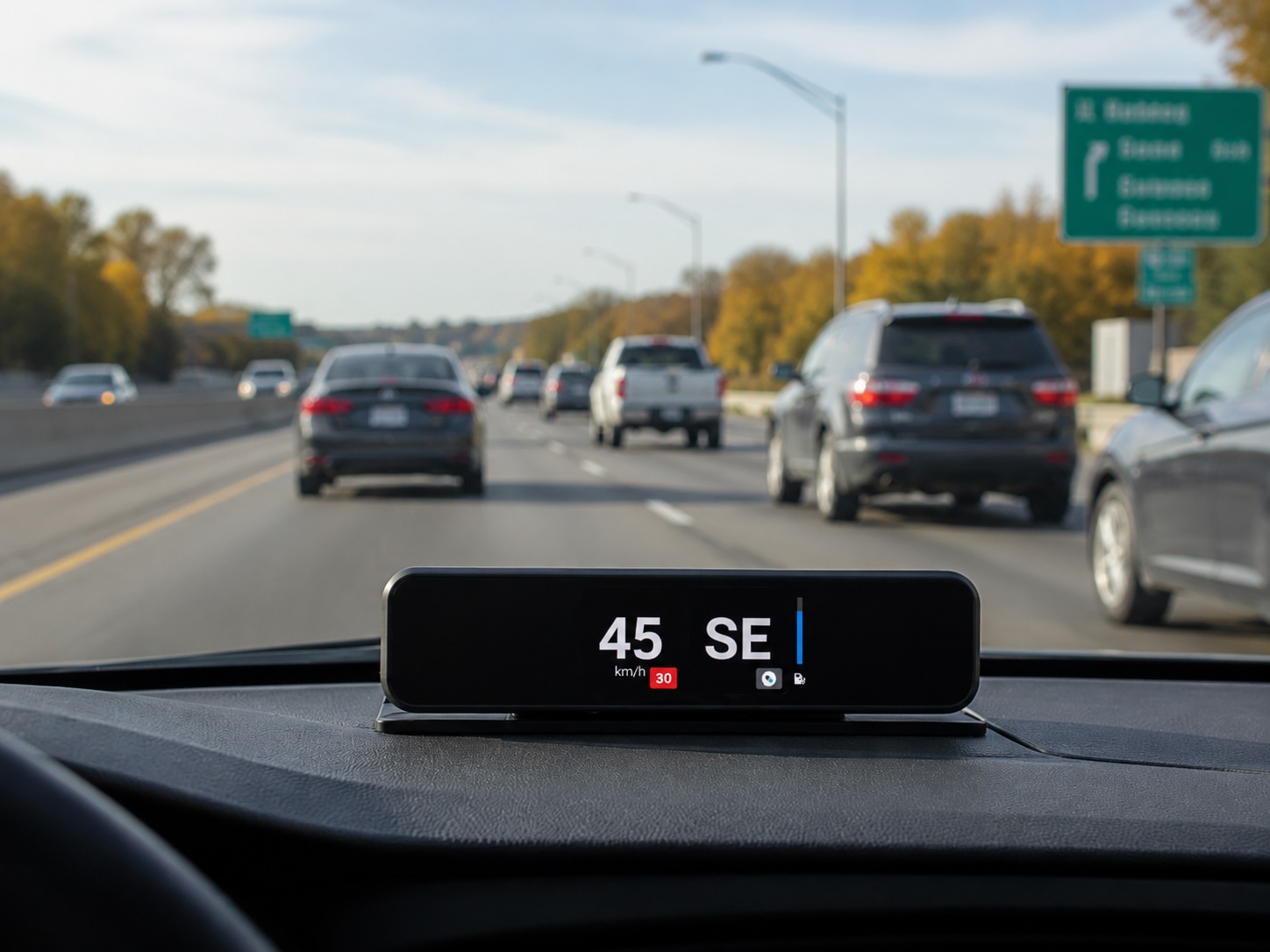
Raven Dash Cameras at Zero Markup
We sell Raven cameras at Raven's advertised prices. Zero markup. Our margin is on deployment, integration, and ongoing program — not on hardware. Most resellers run 20–40% over MSRP.
DOT Compliance When Thresholds Hit
A pickup plus a loaded equipment trailer can cross 26,001 lbs combined GVWR and pull you onto FMCSA's radar overnight. We handle DQ files, drug testing, and audit prep when the threshold hits.
GPS, Telematics, and Dash Cameras
The roofing engagement runs on the same telematics and dash cam infrastructure we deploy across every fleet. GPS on assets, cameras on drivers, footage workflow on the back end.
Why Fleet Management for Roofing Companies Looks Different
Roofing operations don't fit a standard fleet management template. The asset mix, job-site rotation, seasonal labor, and DOT-threshold creep create a specific set of operational gaps that generic fleet software doesn't address.
- Specialty equipment trailers as the asset class. Debris chutes, materials trailers, dump trailers — high-value assets that move between job sites daily and don't have their own driver to keep track.
- Trailer theft on residential job sites. Equipment parked overnight is low-effort to steal and hard to recover without GPS. Insurance carriers know this and price accordingly.
- At-fault crash exposure. Driver-facing dash cam footage is the strongest claims defense available. Carriers offer real premium reductions for documented programs.
- DOT-threshold creep. A pickup plus a loaded trailer crosses 26,001 lbs combined GVWR easily. Most operators don't realize they're operating CMV-class until a roadside inspector points it out.
- Owner-operator and seasonal labor mixing. Roofing peak season pulls in temporary drivers and subs. DQ documentation gaps compound when DOT thresholds are crossed.
- Weather-driven scheduling. Roofing season is compressed. Drivers get pushed into long days, which pressure HOS compliance the same way construction's tight delivery windows do.
Built around a 40-truck commercial roofing client.
We deployed GPS on every truck and specialty trailer, rolled out Raven dash cameras across the fleet, and run the operational layer underneath. The engagement started with telematics — visibility on assets that kept disappearing between job sites — and expanded into a coaching workflow tied to the dash cam footage.
Hardware passes through at Raven's advertised prices. Zero markup. Our margin is on the program — deployment, installation coordination, driver onboarding, footage retrieval workflow, and ongoing coaching infrastructure. You can verify pricing on Raven's site directly.
When the conversation gets bigger — DOT compliance, DQ files, audit prep — we run that work too, with a dedicated Fleet Account Manager who knows your operation by name.
What Fleet Management for Roofing Companies Actually Includes
- GPS asset tracking on trucks AND specialty equipment trailers — debris chutes, materials trailers, dump trailers, lift equipment. Coverage extends to assets that don't have their own driver.
- Raven dash camera program — hardware sourcing at Raven's advertised prices (zero LBC markup), installation coordination, driver onboarding, footage retrieval workflow.
- Driver coaching framework — using dash cam footage to coach risky behaviors before they become claims. Documented coaching activity factors into insurance carrier renewals.
- Fleet operational layer — vendor management, maintenance discipline, fleet health reporting. Full breakdown under outsourced fleet management services.
- DOT compliance when needed — DQ files for drivers operating CMV-class combos, drug testing program coordination, audit prep when notice arrives. Cornerstone: outsourced DQ file management.
- Mock DOT audits for roofing operators who've crossed thresholds and want to know where they stand before FMCSA does. Cornerstone: mock DOT audit services.
- Asset utilization reviews — monthly reports on trailer movement, idle time, and crew accountability for returning equipment promptly.
Who This Is For
Three specific roofing-fleet patterns we see most often.
The 30-truck commercial roofer losing track of trailers
Debris chute at one job, materials trailer at another, dump trailer somewhere else. Asset visibility is opaque. Trailers parked at residential job sites overnight are theft-vulnerable. This is the most common entry-point engagement.
The roofing company whose insurance carrier asked about dash cams
Premium increases tied to at-fault crash rates. Driver-facing camera footage equals claims defense plus premium reduction lever. Most roofers don't deploy because it feels invasive — the ones who do see real ROI.
The roofing operator who hit DOT thresholds without realizing
Pickup plus a loaded equipment trailer crosses 26,001 lbs combined GVWR. Now on FMCSA's radar. Needs DQ files, drug testing, and DOT compliance retroactively. If a notice is in hand, start here →
Three Tiers, Pick Where You Are
Most roofing engagements start narrow and expand. We don't push everything at once. The page covers the roofing-specific framing, but the underlying operational layer is the same outsourced fleet management services we run for every vertical.
Tier 1 — Telematics only. GPS on assets and Raven cameras on drivers. Hardware at Raven's advertised prices. Most common entry point. No DOT or fleet management work involved.
Tier 2 — Telematics + DOT compliance. Tier 1 plus DQ files, drug testing, audit prep, mock audits. For roofers who've crossed DOT thresholds or want to before they do.
Tier 3 — Full integrated fleet operations. Tier 2 plus vendor management, maintenance discipline, fleet health reporting, and a dedicated Fleet Account Manager owning the operational layer day to day.
Tier 1 — Telematics only
- GPS on trucks and specialty trailers
- Raven dash camera program
- Footage retrieval workflow
- Coaching framework
Tier 2 — adds DOT compliance
- DQ files for CMV-class drivers
- Drug & alcohol testing program
- Mock DOT audits
- Audit prep when notice in hand
Tier 3 — adds fleet operations
- Vendor and maintenance oversight
- Fleet health reporting
- Day-to-day operational support
- Strategic fleet advisory
Why Roofing Fleets Need This Stack
Trailer theft economics. Specialty equipment trailers are high-value, often parked at residential job sites overnight, and low-effort for thieves. Without GPS, recovery rates are dismal and insurance payouts cap well below replacement cost. The first stolen Trash Rocket-class trailer pays for the entire GPS deployment.
At-fault claims defense via dash cam footage. Footage that exonerates your driver short-circuits claims before they generate payouts. Footage that shows your driver was at fault still gives you tactical advantage — settle quickly with cleaner evidence, avoid prolonged litigation, coach the rest of the fleet before it happens again. Carriers view documented coaching workflows as risk reduction, which factors into renewal pricing.
The DOT-threshold catch-22. A 7,000-lb pickup hauling a 14,000-lb loaded equipment trailer hits 21,000 lbs combined. Add a heavier trailer or load and you're at 26,001+ — which is where federal DOT regulations kick in. Once you're operating CMV-class, your DQ files and drug testing have to be airtight retroactively. Most roofing companies don't realize this until a roadside inspection or audit forces the issue.
- Stolen specialty trailers with no recovery path
- At-fault claims with no driver-side evidence
- Trailers idle at job sites for weeks unnoticed
- DQ files missing for drivers operating CMV-class combos
- Insurance renewal hits without dash cam program in place
Our Process
Three phases, run by your dedicated Fleet Account Manager.
Asset inventory & GPS deployment
- Inventory every truck and specialty trailer
- Classify by GVWR and combined-vehicle thresholds
- Deploy GPS on every asset
- Establish baseline asset utilization KPIs
- Flag any DOT-class vehicles for compliance review
Raven dash cam rollout
- Hardware at Raven's advertised prices, zero markup
- Installation coordination across the fleet
- Driver onboarding and policy documentation
- Footage retrieval workflow for claims defense
- Coaching framework for risky behaviors
Ongoing operations & compliance
- Monthly asset utilization reviews
- Quarterly dash cam program reviews
- DQ file maintenance for any DOT-class drivers
- Vendor and maintenance discipline (if integrated)
- Direct line to your Fleet Account Manager
A 30-minute call is usually enough to figure out which tier fits your fleet.
FAQs about Fleet Management for Roofing Companies
Why do roofing fleets need GPS tracking on trailers, not just trucks?
Specialty equipment trailers — debris chutes like Trash Rocket, materials trailers, dump trailers — are high-value assets that move between job sites daily. Most are parked at residential job sites overnight. Theft is a real and underwritten risk. Beyond theft, asset utilization tracking shows which trailer is at which job, which one's been sitting idle for a week, and which crews are returning equipment promptly versus letting it accumulate at job sites. The truck is easy to track because it has a driver. The trailer is the asset that needs visibility.
How do dash cameras actually reduce insurance premiums?
Two ways. First, claims defense — when a driver gets accused of being at fault, footage often disproves the claim or significantly reduces payout exposure. Second, driver behavior — knowing the camera is recording shifts driver behavior toward safer patterns over time, which reduces actual incident rates. Carriers offer premium discounts for documented dash cam programs, but the bigger savings come from fewer claims and lower payouts on the ones that do happen.
Do I need DOT compliance if my roofing trucks are under 10,001 lbs?
Not for federal regulations on the truck alone, with one major catch. If your truck is under 10,001 lbs but you regularly tow a loaded equipment trailer, the combined gross vehicle weight rating matters — not just the truck's. A 7,000-lb pickup hauling a 14,000-lb loaded equipment trailer puts you at 21,000+ combined. Once you cross 26,001 lbs combined, federal DOT regulations apply. Most roofing companies don't realize this until a roadside inspector points it out.
What happens when my pickup-plus-trailer combo crosses 26,001 lbs?
You're operating a CMV under federal regulations. That means DQ files for the drivers operating that combo, FMCSA Clearinghouse queries before hire, drug and alcohol testing program enrollment, hours of service tracking, vehicle inspection records, and DOT physicals on file. If you've been operating in this configuration without those in place, you've got compliance debt that needs to be cleaned up retroactively before the next roadside inspection or audit. We handle that.
Can dash cam footage protect us in at-fault crashes?
Yes — both ways. Footage that exonerates your driver short-circuits claims before they generate payouts. Footage that shows your driver was at fault still gives you tactical advantage: settle quickly with cleaner evidence, avoid prolonged litigation, and use the incident to coach the rest of the fleet before it happens again. Carriers also view documented coaching workflows as risk reduction, which factors into renewal pricing.
What does a Raven dash cam program cost vs. building one in-house?
We sell Raven cameras at Raven's advertised prices — zero markup. You can verify pricing on Raven's site directly. The program cost is the deployment, installation coordination, driver onboarding, footage retrieval workflow, and ongoing coaching infrastructure. Building that in-house at a 30+ truck operation typically requires a part-time fleet safety person plus the time to build the workflow from scratch. Our program runs significantly less and ships pre-built. Book the call for a real number against your fleet.
Still scrolling? Let's map your tier.
Most roofing engagements start with telematics and expand from there. A 30-minute call is usually enough to figure out which tier fits and what it'd cost.
Book a 30-Min Call