Updated October 12, 2026. A preventive-maintenance plan makes it easier to see what each vehicle needs, who is responsible, and whether a reported problem was actually closed. It can reduce avoidable surprises, but no schedule or software can promise that a component will never fail or that repair costs will always fall.
Build the plan around each vehicle
Start with a vehicle record: unit number, make, model, year, mileage or engine hours, duty cycle, and the person or shop responsible for service. Use the manufacturer’s schedule, operating conditions, and a qualified technician’s judgment to set service intervals. A high-mileage shuttle, a limousine with long idle time, and a bus with accessibility equipment may need different checks; do not apply one calendar to every unit.
Make the work visible
- Schedule: Record what is due, the due date or mileage, and who will perform it.
- Inspect: Check tires, brakes, lights, fluids, leaks, and vehicle-specific equipment at the intervals appropriate to the unit. Have qualified people evaluate and repair safety-related systems.
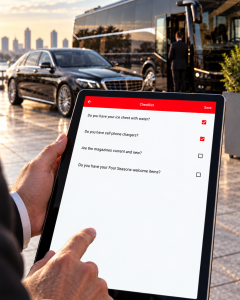
- Report: Give drivers a clear way to flag a new problem, with a photo or description when useful. Separate the reported condition from the decision about whether the vehicle is safe to operate; a cosmetic or non-safety issue is not automatically an out-of-service finding.
- Close: Record the review, vendor or technician, repair decision, completed work, and return-to-service check. Do not treat “sent to the shop” as proof that the issue was resolved.
For motor vehicles covered by federal passenger-carrier rules, FMCSA’s Part 396 overview explains systematic inspection, repair, maintenance, and recordkeeping duties. Confirm which federal, state, and local requirements apply to your operation.
Review the results, not just the reminders
Each month, compare overdue service, repeat defects, unplanned downtime, vendor turnaround, and actual maintenance spending by vehicle. That helps you adjust the schedule or decide whether a unit needs deeper diagnosis or replacement planning. The goal is a reliable decision record—not a promise of zero breakdowns.
Choose the support that fits
If your team wants a person to coordinate vendors, estimates, schedules, and vehicle records, see LBC Fleet’s outsourced fleet-management service and confirm the responsibilities and price in a written scope.
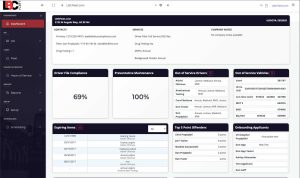
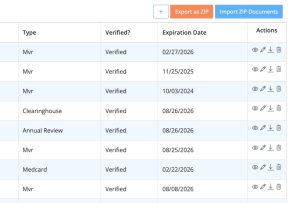
If you also manage driver-compliance records in the same operation, review LBC Fleet’s DOT compliance software as a second route to evaluate. That page starts with driver files and describes optional vehicle workflows. Ask for a live demonstration of your vehicle record, maintenance due list, driver-reported issue, repair assignment, closure, and export. Confirm which modules are available to your account; the page does not by itself prove that an end-to-end maintenance workflow is active for your fleet.